
Discover the latest influencer marketing rules and social media influencer laws brands must follow in 2026. Stay compliant now.
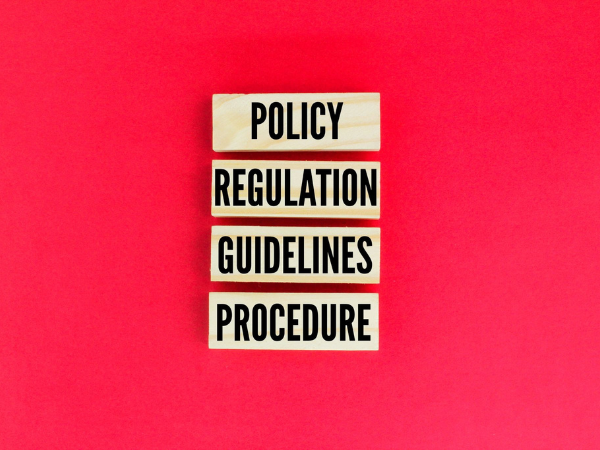
What will be the rules for influencers in 2026?
Scrolling through Instagram today is like walking through a digital marketplace. One reel is about skin care, the next one’s selling sneakers, and then your favourite creator’s recommending a protein shake they “totally love.”
But here’s the thing: ‘Influencer marketing is no longer the Wild West’.
Brands, creators and agencies need to adhere to the appropriate influencer marketing rules and guidelines now to avoid misleading audiences and damaging trust. Rules are getting stricter every year, from paid partnership disclosures to legal contracts. Whether you are a brand working with creators or an influencer looking for partners in 2026, knowing these rules is crucial.
In this blog, we’ll dive into the latest influencer rules and regulations, explain why they matter, and show how brands can stay compliant while still creating viral content.
And if you’re looking for a creative team that knows a thing or two about content and compliance, Third Eye Blind Productions can help you create campaigns that will appeal to audiences and not step over any legal lines.
What Are Influencer Marketing Rules?

Influencer marketing rules are basically a set of legal and ethical guidelines that creators and brands need to put up with while endorsing products online.
The rules exist to help ensure audiences know when content is sponsored, paid, gifted or part of a brand collab. Whether on Instagram, YouTube or TikTok, transparency is no longer an option.
The majority of countries today have social media influencer laws of their own, which require creators to make clear disclosures about advertisements and partnerships.

Some typical examples are:
- Adding “Paid Partnership” tags.
- With hashtags like #Ad or #Sponsored.
- Collaborations mentioned are gifted.
- Avoiding false product claims.
- Affiliate link disclosure.
In India, the Advertising Standards Council of India (ASCI) has developed guidelines for influencer advertising. Similarly, in the US, influencer advertising is regulated by the Federal Trade Commission (FTC).
The goal is simple: audiences deserve honesty.
Why Influencer Rules And Regulations Matter.
A few years ago, creators could casually promote products without much scrutiny. That’s changed now.
Consumers are more savvy, platforms are more stringent, and governments are actively watching the digital advertising landscape.
Not following influencer rules and regulations can lead to:
- Loss of audience trust.
- Legal Notices and Disclaimers
- Fines
- Damage to brand reputation
- Content removals
“Compliance is not a ‘nice to have’ anymore for brands. That’s good marketing.
Here’s what compliance looks like for businesses:
- Establishes Audience Trust:
People can tell when creators are fake, and it’s fast. Authentic and relatable, transparent collaborations.
- Safeguards Your Brand Reputation:
One false campaign can trigger an online backlash in hours. Good disclosures lower risk.
- Develops Long-Term Partnerships:
Influencers like to work with those brands that have a professional influencer brand collaboration policy.
- Boosts the credibility of the campaign:
Transparency attracts the most audience attention, and usually, honest campaigns do better.
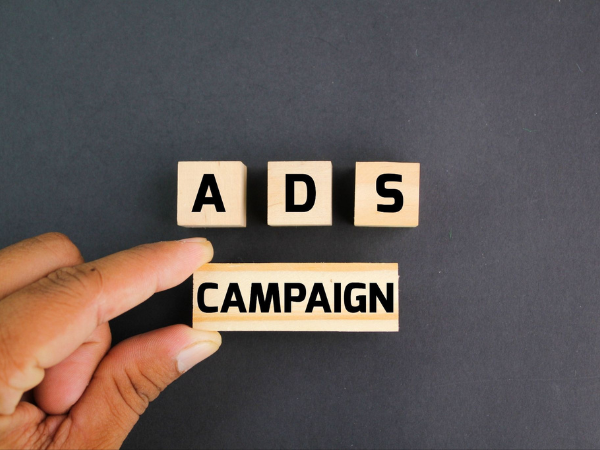
Understanding Influencer Advertising Disclosure.
Disclosure is one of the biggest parts of modern influencer marketing.
An influencer advertising disclosure is simply informing audiences that a post is sponsored or related to a brand partnership.
And no, hiding “#ad” in the middle of 30 hashtags at the bottom of a caption doesn’t count anymore.
Disclosures must be:
- CLEAR CLEAR
- Easy to follow
- Used at the start of captions or videos
Examples of Good Disclosure
- “Sponsored by XYZ”
- This video is sponsored by…
- “Given by Brand”
- “Affiliate link”
Bad Examples of Disclosure
- #tinyhiddenhashtags
- such vague terms as “thanks brand”
- Disclosures hidden behind “Read More”
A good content strategy involves transparency.

Influencer Brand Collaboration Policies Every Brand Needs.
Brands working with creators should always have proper collaboration policies in place before launching campaigns.
Clear influencer brand collaboration policies prevent confusion, protect both parties and improve campaign quality.
A good influencer contract should have:
- Content outputs
- Posting schedules
- Disclosure Obligations
- Terms of payment
- Usage rights
- Corporate standards
- Rules of compliance
This is particularly crucial when working with multiple creators across various platforms.
Third Eye Blind Productions plans influencer campaigns strategically so brands don’t just go viral, they stay credible, too.
What things should brands do for influencer compliance?

Compliance is often seen as the sole responsibility of the influencer. It isn’t.
Influencer compliance is just as important for brands today, as brands too can be penalised if creators break advertising laws.
Here’s how brands can stay compliant:
- Educate Influencers:
Give creators a simple disclosure guide before campaigns begin.
- Review Content Before Posting:
Always check if disclosures are visible and are accurate.
- Avoid Misleading Claims:
Never ask creators to exaggerate the results, especially in skincare, finance, or health industries.
- Maintain Written Agreements:
Verbal deals create confusion. Contracts create clarity. Make sure to have a proper contract.
- Track Platform Policies:
Instagram, YouTube, and TikTok frequently update partnership rules.
How Smart Influencer Marketing Works in 2026?
The influencer industry has evolved massively.
Today’s audiences don’t want over-scripted ads. They want creators who feel real. The best campaigns blend storytelling, entertainment, and honesty.
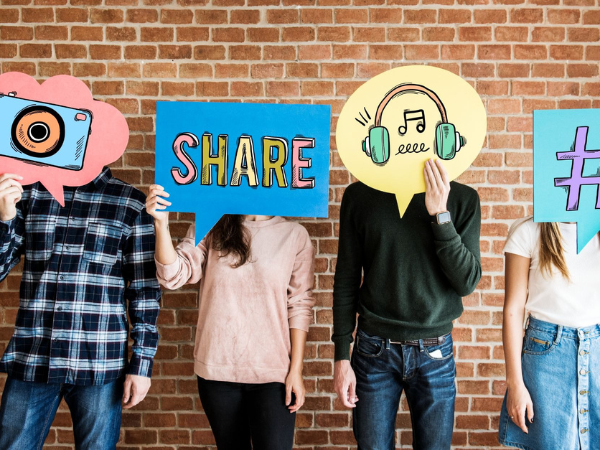
This is why modern influencer campaigns focus on:
- Authentic storytelling.
- Relatable content.
- Transparent disclosures.
- Community engagement.
- Long-term creator partnerships.
Instead of chasing random virality, companies are investing in creator strategies that feel human and trustworthy.
And honestly? That’s exactly what audiences reward today.
How Third Eye Blind Productions Helps Brands Stay Ahead.
Influencer marketing today is more than just finding creators with followers. You need strategy, compliance, storytelling, and strong execution together.
Third Eye Blind Productions helps brands create influencer campaigns that feel natural, engaging, and legally compliant.
The team helps brands from creator sourcing to campaign execution:
- Create genuine influencer partnerships.
- Maintain proper standards of disclosure.
- Create campaigns that speak to Gen-Z audiences.
- Make viral short-form content.
- Build strong brand credibility.
The best influencer marketing, whether you’re a startup or an established brand, combines creativity and compliance.
Influencer marketing is booming faster than ever, but so are the rules. Influencer marketing regulation is no longer just about avoiding penalties; it’s about trust, credibility and creating better relationships with your audience.
In 2026, the winners will be the brands that create authentic content and are transparent. Want to build influencer campaigns that really resonate with your brand and make a difference?
Get in touch with Third Eye Blind Productions today and build creator campaigns that are creative, compliant, and impossible to ignore.