Today’s digital marketing environment involves a fundamental constant that all brands focus on: Creative Content. Creative content isn’t just a valuable asset now; it is the core driver of visibility, growth, and long-term success.
At Third Eye Blind Productions, we’ve witnessed the power of thoughtful content marketing strategy 2026 as it’s grown brands from background noise to a part of audience lives that they remember and interact with.
Digital content creation is not just mere words on a page or videos on Instagram; it is the bridge between your brand story and your audience’s needs.
In this guide, let’s understand how the creative content marketing strategy 2026 plays a pivotal role in improving SEO performance and boosting brand visibility, and why every brand should think of content as its competitive advantage.

What is Creative Content?
Creative content is defined as all forms of media that contain storytelling components and provide a variety of value to their users.
- Entertainment
- Education
- Instructions
- Explanation
Creative content allows an individual to engage with the audience by also providing how to utilize or comprehend an experience. Unlike typical or standard content, the majority of which is often of low quality (i.e., not original).
Creative content marketing strategy 2026 follows the following road-map:
- Audience-focused
- Emotionally compelling
- In alignment with business values.
- Structurally designed for search and shareability.
At the end of the day, the key to the success of creative content lies in building a strong commercial strategy, aligning that strategy to the priorities of your consumers, and using creativity to create a compelling production.

How Creative Content Drives SEO Performance
Previously, SEO success was measured by the trending blog topics for a production agency, the amount of keyword stuffing in content; today, your website’s ranking will be determined by how well the user intent aligns with the content the user is viewing and the quality of the content that the user is reading.
Here’s how creative content strengthens SEO:
1. Makes Your Brand Discoverable
The way that search engines evaluate the quality of content for ranking purposes and how that affects your website’s ranking positions within SERPs has changed dramatically over the past year.
2. Encourages Longer Engagement
Search engines rely on user engagement signals such as time on page, scroll depth, and bounce rate to judge content quality. Entertaining content that keeps users hooked through innovative storytelling, bold visuals, and strong emotion makes for longer reader engagement. The longer sessions indicate relevancy, which results in a better rank.
A blog that does visual storytelling, thought-leading infographics, and punchy headers and takeaways not only looks great, but it also ranks better in search results.
3. Fulfills Internal Link Growth
Strategically creating internal links between your creative pieces will help strengthen the relevancy of those pages via SEO. Creating these links will also allow search engines to clearly identify the hierarchical structure of a website’s content as well as topic clusters.
For example, by linking a blog post that discusses ‘SEO Content Marketing Strategy 2026’ to pages discussing ‘Influencer Campaigns’ or ‘Video Content for SEO’, you are increasing the chances of those pages being discovered while also providing deeper opportunities for users to engage in their journey on your site. This linking will create a web-like network of relevancy that will ultimately provide SEOs with a reason to rank higher in search results.
4. Naturally Build Backlink Opportunities
Educational, entertaining, and engaging creative content typically receives citations from various external websites, which is an incredible benefit to your SEO. Backlinks from other authoritative and trusted domains inform search engines that a website’s content is authoritative and credible, which helps build our site’s domain authority and overall visibility through SEO.
Creative Content Boosts Visibility for Your Brand
Creative Storytelling
Creative content tells a story, which is your brand’s story. This storytelling is what moulds how people feel about you, not just what they think. With this format being used consistently, it builds trust, loyalty, and differentiation with the target audience.
Hitting the Right Chord
Consumers today want an emotional connection with a brand and not just to see numbers related to their visibility. When you create a message that resonates with your audience, it increases their likelihood of sharing, discussing and engaging with it.
Creative Content Amplifies Influencer Marketing
Influencer campaigns work not just because of reach, but also because of relatability, in how the creative content looks. When influencers join with their co-creating brand to create content that fits the audience and brand narrative, this relationship takes care of engagement for you, bringing in greater awareness, conversions, and a real return on investment.
As a creative full-service agency, we develop campaigns in which brand messaging is married to engaging storytelling so we can create not just visibility but recall and affinity.
Tips for SEO and Visibility Through Creative Content
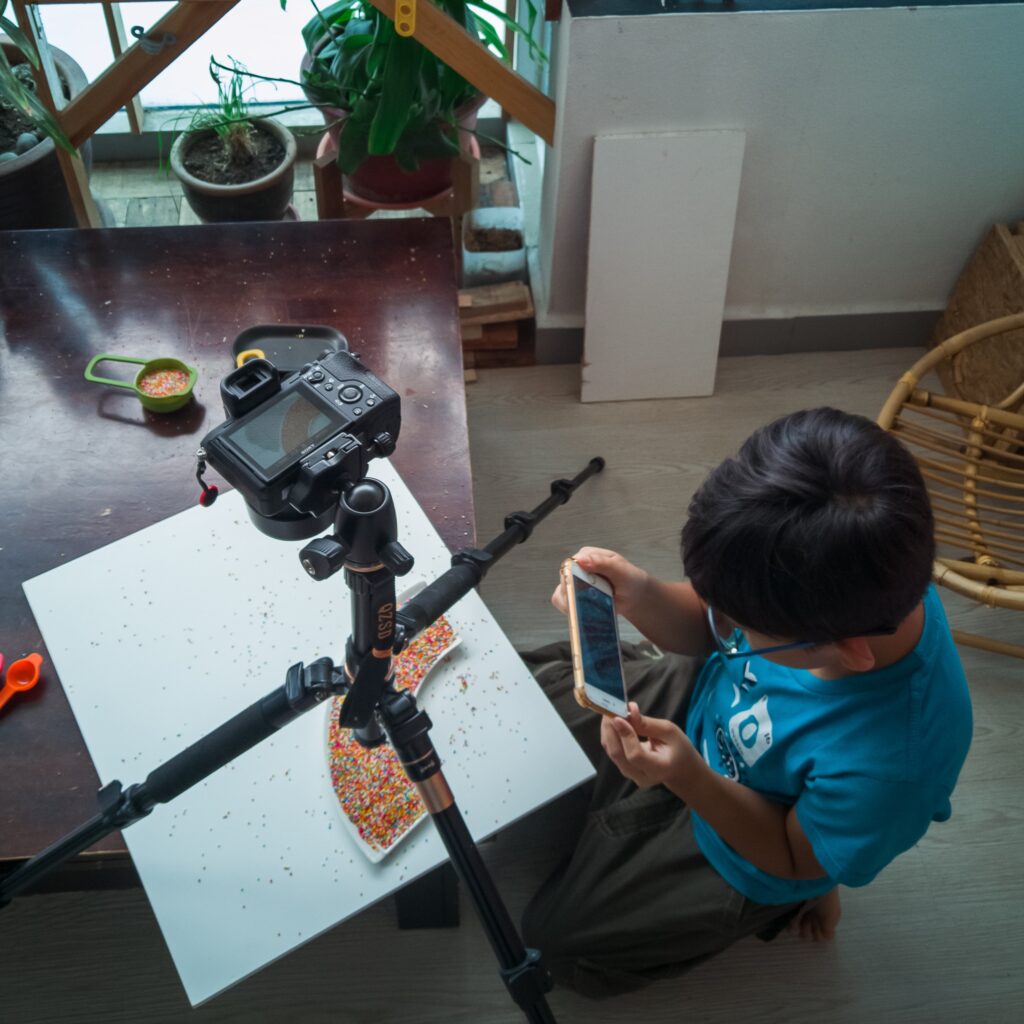
To best utilize the power of digital content creation tips, keep the following points in mind:
Create Pillar Content Around User Intent
When you build content around a few different topics, it’s called pillar content. The first step is to discern what your audience is looking for and why. Your content must be an explicit response to those needs, whether it’s for education, inspiration or transaction.
Use Clear, Scannable Structure
Chunk content into smaller bits with descriptive headings (H2, H3), short blocks of text, and bullet points. This helps ensure people and search engines actually consume and value your content. (See attached guidelines.)
Optimizing All Your Assets
Use keywords intelligently (organically) in titles, meta descriptions, header tags. However, prioritize readability and the intrinsic value of the content over any SEO tricks.
How to Measure Impact
Great creative content should be connected to measurable KPIs, such as:
- Organic Traffic growth
- Search Engine rankings
- User Engagement, like average time on page, video views
- Total number of Backlinks
- Conversion Quality and Lead Generation
By creating great content while also incorporating analytical measurement, you can ensure that your content will not only be memorable but also generate genuine revenue for your business.

Conclusion
Creative content is not a luxury; it’s a strategic imperative.
It’s a mix of art and analytics to craft experiences that both search engines will reward and audiences can grasp. Mindshare for brands seeking organic growth, creative content is not about being seen; it’s about being remembered.
At Third Eye Blind Productions, we not only produce content. We develop stories that naturally boost SEO, enhance brand presence, and drive results. Because these days, being seen is about creativity first.
FAQs
1. What is an SEO content strategy and why is it crucial?
SEO Content Strategy refers to an organized process of creating content that fits with search engine intent as well as business targets. Therefore, SEO Content Strategies have a better likelihood of being found organically due to the relevancy and quality of the materials published. Additionally, Companies with solid SEO Content Strategy are more likely to draw traffic that fits with their intended demographic, establish authority in the Industry, and have increased likelihood through Organic Visibility of reaching this demographic.
2. How do videos enhance SEO performance?
Videos will enhance the SEO properties of a website because it creates interaction with users. Videos will keep users engaged longer than normal content pages, and this is a factor in how Search Engines rate your content for relevancy. One of the biggest advantages of video content is the availability of different search results. For example, you can use video content for search engine results pages, as well as featured snippets. When you take the time to optimize your Video’s Title, Description, Transcripts, and Schema, you will increase the number of ways that your videos can be discovered, and you will also increase your overall performance on search engines.
3. What content types can production houses leverage?
Production houses can leverage a wide range of content formats to strengthen SEO and brand visibility. These include brand films, explainer videos, ad films, behind-the-scenes content, blogs, case studies, social media reels, and visual storytelling assets.
4. How often should blogs and videos be published?
The recommended frequency for blogging is a minimum of two and a maximum of four times monthly. The reason for this range is to maintain a balance between having timely, relevant topics and the ability for search engines to index new material frequently.
For video content creation, manufacturers of video content should plan to produce and release one to two new videos per week, depending on their platforms and production capabilities. When creating new videos or blogging regularly, it’s critical to create new material consistently, rather than creating a large number of videos and/or blogs all at one time. Regularly scheduled video releases build audience trust and improve long-term search engine optimization (SEO).
5. Can content creation improve conversion rates?
Yes, by creating quality content that educates consumers, establishes trust with consumers and overcomes purchase objections prior to their making their final decision to purchase, content will help to increase conversion rates. The closer the content is to aligning with the consumer’s ‘intent’ – what they want to know, how to solve their problems or make informed purchase decisions – and having clear, actionable ‘calls-to-action,’ the easier it will be for that consumer to navigate through the various stages of the conversion process.

Manpreet Singh Chadha is the founder of Third Eye Blind Productions, a leading influencer marketing agency based in Mumbai. With a strong background in filmmaking and digital storytelling, he helps brands build impactful influencer strategies through creativity, innovation, and strategic collaboration.