Every brand is now competing for relevance and presence in an already crowded content landscape. Chasing numbers through either paid ads or hiring influencers with large platforms. Yet the debate continues. What performs better – Influencer Marketing or Paid Advertising?
At Third Eye Blind Productions, we have assisted in creating influencer campaigns for dozens of brands, producing cinematic commercial films, and developing performance-driven online strategies – so we have experience with all aspects of this equation.
In this article, we break down what each approach is, what it delivers, and when it’s time to pick either strategy or strike a balance between both. At Third Eye Blind Productions, our team will help execute the best marketing plan for your brand. Get in touch with us via the contact page or at any time to begin, or hit us up on Instagram.
What Is Influencer Marketing?
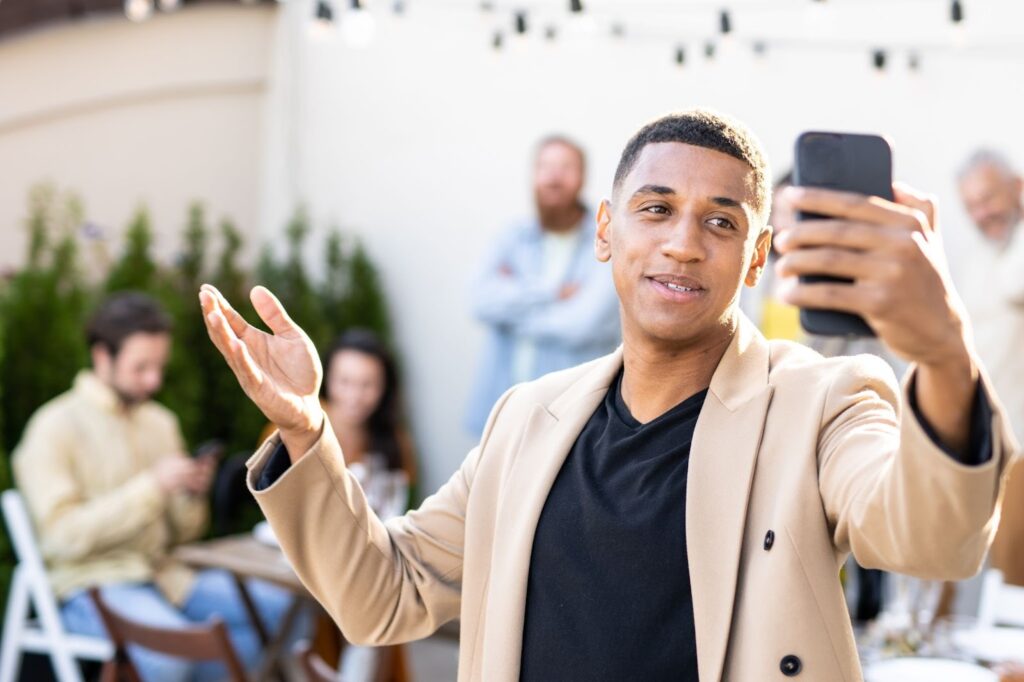
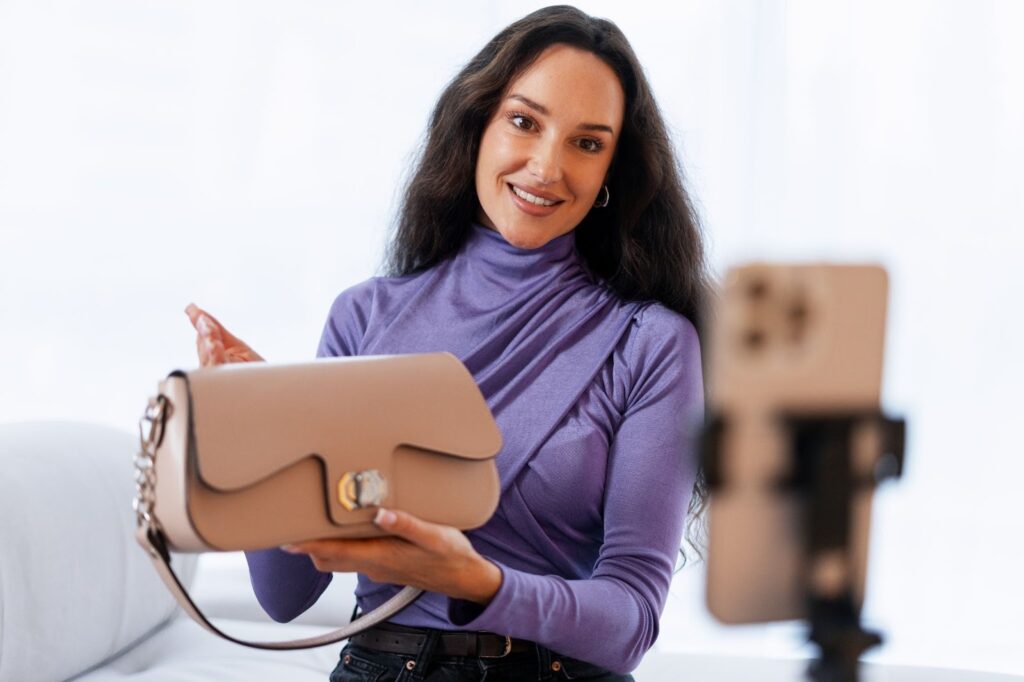
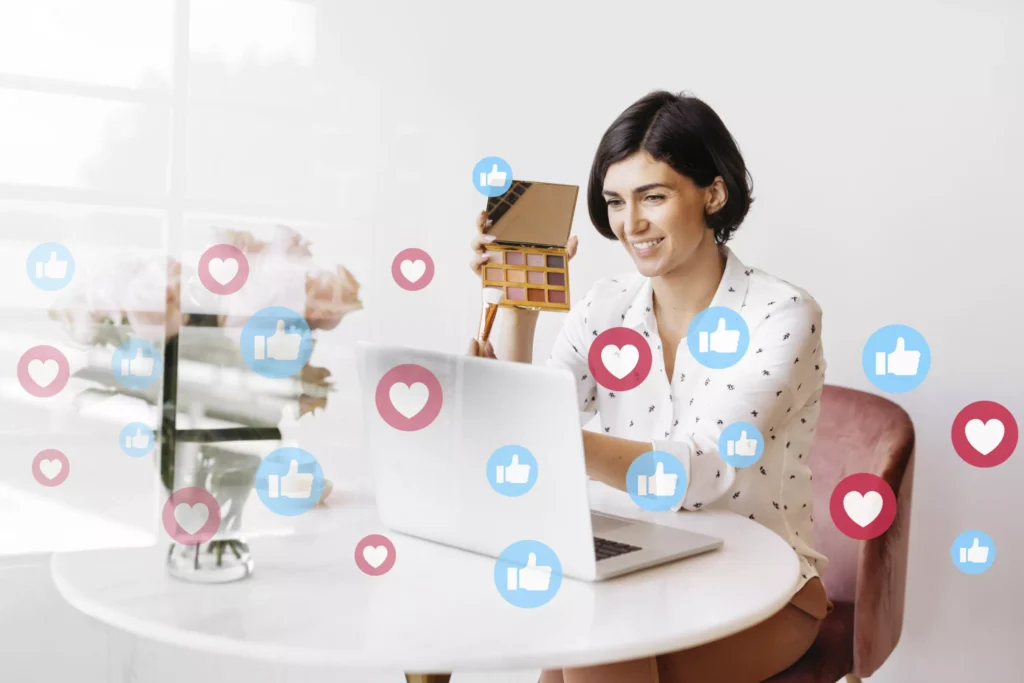
Influencer Marketing is more about sharing promo posts than about sharing stories through people who already have won the trust of your brand’s targeted audience. Micro-influencers and celebrity endorsers today serve as genuine authorities, rather than traditional advertisements.
At Third Eye Blind Productions, our influencer marketing services are designed and developed to help brands strategically connect with the right content creators, create effective content, and monitor performance through transparent dashboards.
Pros of using Influencer marketing as a part of your marketing strategy:
- Builds strong engagement and trust
- The message is put out in the form that the brand’s target audience loves.
- The pre-existing community of the influencer brings more awareness towards the
What Are Paid Ads?

Paid Advertising, as compared to Influencer Marketing, is all about control, precision, speed, and scaling. Google, Meta, and YouTube are just a few platforms that we use to strategically place ads that allow the niche to be targeted.
Pros of using Paid ads as a part of your marketing strategy:
- Immediate visibility towards the Brand’s message
- Retargeting audience that has already engaged with the brands
- Fast Return on Investment tracking over multiple metrics.
- Campaigns can be scaled quickly.
That said, ads can feel interruptive. It can be a problem when trying to build trust with the target audience.
Head-to-Head: Influencers vs Paid Ads
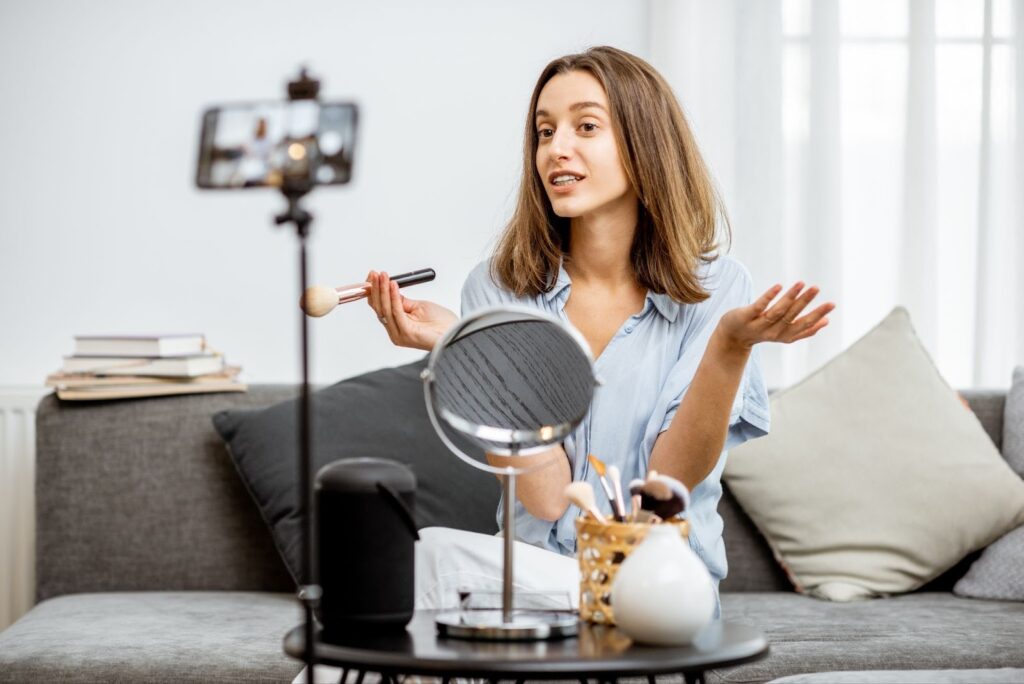
1. Trust & Credibility
Win: Influencer Marketing
They trust individuals they are following more than individuals they do not know, which is a function of social proof. Influencers help make stories come alive via native content, which appears more organic and, as a result, performs better than advertising.
2. Reach & Speed
Win: Paid Ads
Want to grab the audience’s immediate attention? This is possible through the usage of paid ads that target an audience right away. They can be scaled up instantly and produce immediate results.
3. Content That Lasts

Win: Influencer Marketing
The content generated by influencers has an extraordinary shelf life, as it remains through saved posts, engaging Reels, and viral content that gets generated by users and remains popular with viewers even after it has been published. Advertisements, being paid content, swiftly depreciate as soon as an individual stops funding them, and they vanish from notice in an instant.
4. Targeting Precision
Win: Paid Ads
Paid ads offer surgical precision, from demographics to behavioural segments. Influencer audiences are preassembled based on niche, interest, and follower behaviour – which can be just as valuable if the match is right.
5. Cost & ROI
It Depends
Sponsored media can blow a budget in a hurry if the creative is weak. In many cases, influencer content performs better per engagement metric when influencers create content well enough that audiences want to view it.
When Does Influencer Marketing Work Best?
Influencer marketing becomes all the more effective as a marketing tool when there is a brand goal for establishing trust and a long-term connection with a brand, as opposed to short-term reach. The brand would then be able to narrate their stories in a manner that speaks to people, reach their niche audience on platforms such as Instagram and YouTube, and establish multiple layers for their marketing content for extended effectiveness. We, at Third Eye Blind Productions, design, produce, and deliver end-to-end influencer marketing for our clients.
To know more about how to give your next campaign a competitive edge, click here.
When Paid Ads Should Lead?
Paid advertising is best suited when the need is to immediately drive conversions, conduct rapid A/B testing for creative ideas, carry out precise targeting and retargeting funnels, and scale the lead generation process. Third Eye Blind Productions will help plan, strategise, and execute performance marketing for our clients.
Give your next campaign a performance boost — let’s talk data-driven media buying, optimisation, and scale. Explore our performance marketing services today.
The Best Strategy? A Hybrid Approach

Here’s what we at Third Eye Blind Productions have picked up on yet again: brands don’t have to be faced with the hard decision between influencer marketing and purchasing paid media. It’s really the savvy ones that combine the two, using influencer content within paid media, as well as retargeting those audiences based on their interaction with the campaign.
Why Third Eye Blind Productions?
We are more than another agency – we are the storytellers who reside at the intersection of storytelling & strategy. From influencer partnerships to advert films to performance marketing – we assist brands in turning their ideas into reality.
Whether you need standout content production, full influencer campaign management, or performance-oriented paid strategies, we’ve got you covered. Follow our latest work on Instagram.
Final Takeaway
- Influencer and online advertising are both key components that should be part of a complete marketing strategy.
- While influencer marketing is important for credibility and cultural relevancy, online advertisements have scalability and speed of growth that are incredibly appealing.
- But it is what happens when you find a perfect formula that equates both connection and performance that is incredibly magical.
- Also, you know just who you have to reach out to if you’re stuck.
Book a consultation today and start creating campaigns that convert.
FAQs
Q1. Is influencer marketing more effective than paid advertising?
It’s based on what you want to achieve at the end of the day, what your target market is, and what the advertising budget is. The power of influencer marketing is in the trust and authenticity of social proof marketing, versus the precision targeting and fast scalability of advertising. Some also say that the content of influencers is more organic and authentic versus the immediate traffic that advertising can give.
Q2. Should brands use both influencer marketing and advertising channels?
Using both indeed proves to be the most effective strategy. You need to use the ads to bring awareness, as well as the retargeting of your content, and finally, you need to increase the content of the influencer by whitelisting it.
Q3. Which gives better long-term ROI?
Influencer marketing ROI is generally greater over a longer period. Inherently, influencer-created, evergreen, shareable, social-proof-generating items like reviews, tutorials, and so on will just keep bringing value over time. While advertising hits immediate marks, after a budget is used up, advertising stops, making influencer marketing more economically viable from a long-term perspective.
Q4. Compared to ads, what are the associated costs regarding influencer marketing?
Pay-to-publish advert choices may need minimal starting costs (e.g., CPC, CPM pricing), though this can potentially escalate in accordance with the level of competitors. On the other hand, the initial involvement cost of influencer marketing could be considerably high (e.g., costs, gifts), though the potential value of media influence and conversion rate is extremely high.
Q5. Which is more effective in branding?
When it comes to reaching people on a large scale and actually being interested in reaching a lot of people in a remarkably short time, paid ads are better. However, influencer marketing reaches people on a deeper level in terms of awareness because of storytelling.
Q6: Is Influencer Marketing Better for Conversion?
Yes, in many cases – and definitely with value-driven buys. The credibility of the endorsement is very significant, and people have a great deal of trust and intent. An endorsement from the influencer is beneficial to the brand because it generates trust and intent due to the aspect of social proof. Some research studies indicated that the CTR from affiliate links outperformed that of advertising in sales.
Q7. How measurable is influencer marketing relative to paid ads?
The ad is much better for real-time reporting: clicks, impressions, and conversions. The influencer marketing sector is much better with UTM codes, promo codes, and analytics available from such services as these platforms provide, although the attribution isn’t necessarily this detailed as a standard practice. Similarly, the return on investment reporting from the creator markets.
Q8. What is better for smaller companies that have smaller budgets?
Micro-influencer marketing is slowly becoming the most cost-effective; this means influencers bring the viewers higher engagement for less expenditure. With successful targeting on Facebook or TikTok, even the ad campaign can potentially become cost-effective; however, rising expenditures make this field even more competitive in relation to influencer marketing.
Q9. Are paid ads getting less effective as a result of ad fatigue?
Yes, ad blockers, banner blindness, and the way the platforms do their algorithms do affect the impact of pay-for-placement advertising. However, sponsored messages from influencers may be less intrusive and more genuine.
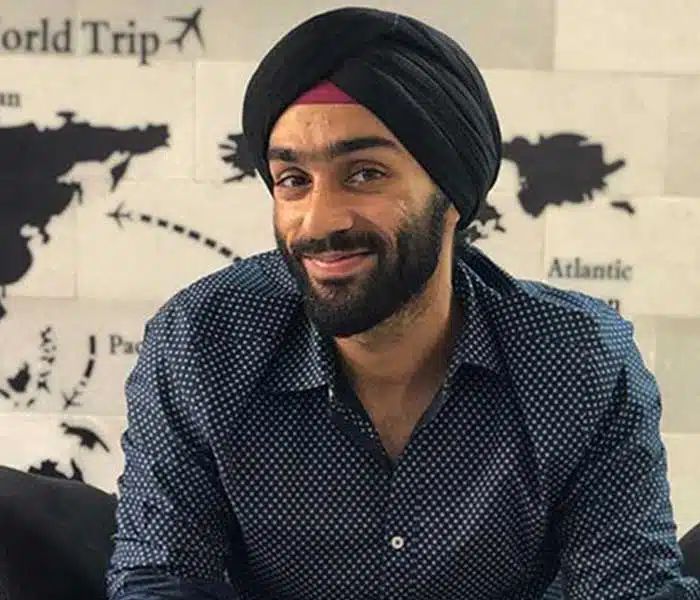
Manpreet Singh Chadha is the founder of Third Eye Blind Productions, a leading influencer marketing agency based in Mumbai. With a strong background in filmmaking and digital storytelling, he helps brands build impactful influencer strategies through creativity, innovation, and strategic collaboration.